





• Museo de Sitio de Chalcatzingo

    Museo de Sitio de Chalcatzingo

    Museo de Sitio de Chalcatzingo
    INAH-Museo de Sitio de Chalcatzingo
  • Museo de Sitio de Chalcatzingo

    Museo de Sitio de Chalcatzingo

    Museo de Sitio de Chalcatzingo
    Luis Gerardo Peña Torres / INAH-Dirección de Medios de Comunicación
  • Museo de Sitio de Chalcatzingo

    Museo de Sitio de Chalcatzingo

    Museo de Sitio de Chalcatzingo
    Luis Gerardo Peña Torres / INAH-Dirección de Medios de Comunicación
  • Museo de Sitio de Chalcatzingo

    Museo de Sitio de Chalcatzingo

    Museo de Sitio de Chalcatzingo
    Luis Gerardo Peña Torres / INAH-Dirección de Medios de Comunicación
  • Museo de Sitio de Chalcatzingo

    Museo de Sitio de Chalcatzingo

    Museo de Sitio de Chalcatzingo
    INAH-Museo de Sitio de Chalcatzingo
  • Museo de Sitio de Chalcatzingo

    Museo de Sitio de Chalcatzingo

    Museo de Sitio de Chalcatzingo
    Luis Gerardo Peña Torres / INAH-Dirección de Medios de Comunicación
  • Museo de Sitio de Chalcatzingo

    Museo de Sitio de Chalcatzingo

    Museo de Sitio de Chalcatzingo
    INAH-Museo de Sitio de Chalcatzingo
  • Museo de Sitio de Chalcatzingo

    Museo de Sitio de Chalcatzingo

    Museo de Sitio de Chalcatzingo
    Luis Gerardo Peña Torres / INAH-Dirección de Medios de Comunicación
  • Museo de Sitio de Chalcatzingo

    Museo de Sitio de Chalcatzingo

    Museo de Sitio de Chalcatzingo
    INAH-Museo de Sitio de Chalcatzingo
  • Museo de Sitio de Chalcatzingo

    Museo de Sitio de Chalcatzingo

    Museo de Sitio de Chalcatzingo
    Luis Gerardo Peña Torres / INAH-Dirección de Medios de Comunicación
  • Museo de Sitio de Chalcatzingo

    Museo de Sitio de Chalcatzingo

    Museo de Sitio de Chalcatzingo
    Luis Gerardo Peña Torres / INAH-Dirección de Medios de Comunicación
  • Museo de Sitio de Chalcatzingo

    Museo de Sitio de Chalcatzingo

    Museo de Sitio de Chalcatzingo
    Luis Gerardo Peña Torres / INAH-Dirección de Medios de Comunicación
  • Museo de Sitio de Chalcatzingo

    Museo de Sitio de Chalcatzingo

    Museo de Sitio de Chalcatzingo
    Luis Gerardo Peña Torres / INAH-Dirección de Medios de Comunicación
  • Museo de Sitio de Chalcatzingo

    Museo de Sitio de Chalcatzingo

    Museo de Sitio de Chalcatzingo
    INAH-Museo de Sitio de Chalcatzingo
  • Museo de Sitio de Chalcatzingo

    Museo de Sitio de Chalcatzingo

    Museo de Sitio de Chalcatzingo
    Luis Gerardo Peña Torres / INAH-Dirección de Medios de Comunicación

Visit us

Museo de Sitio de Chalcatzingo

Opening hours
Tuesday to Sunday from 09:00 to 18:00 h - Last entry 17:00 h
Fee
$80.00 Visitantes nacionales
$145.00 Visitantes extranjeros
Aditional Fees
  • Included in the cost of admission to the Archaeological Zone
Adress

Alatriste s/n, Jantetelco, Postal Code 62977, Chalcatzingo, Morelos, Mexico.

Access

From the city of Cuernavaca, take Federal Highway 138 towards Cuautla and continue to Izúcar de Matamoros via Federal Highway 160. At the Huayapan-Axochiapan junction, take the turnoff toward the Santa Clara Montefalco hacienda and proceed to the town of Chalcatzingo.

Services
Parking
Information module
Toilets
Important
  • Extra fee for professional cameras
  • Sundays free for mexican citizens
  • Free entrance for Mexicans under 13 years old
  • Free entrance for Mexican students and teachers
  • Free entrance for Mexican senior citizens
  • No smoking
  • No entry with food
  • Pets not allowed
  • No photography
  • No flash

Museo de Sitio de Chalcatzingo

Museo de Sitio de Chalcatzingo

Museo de Sitio de Chalcatzingo

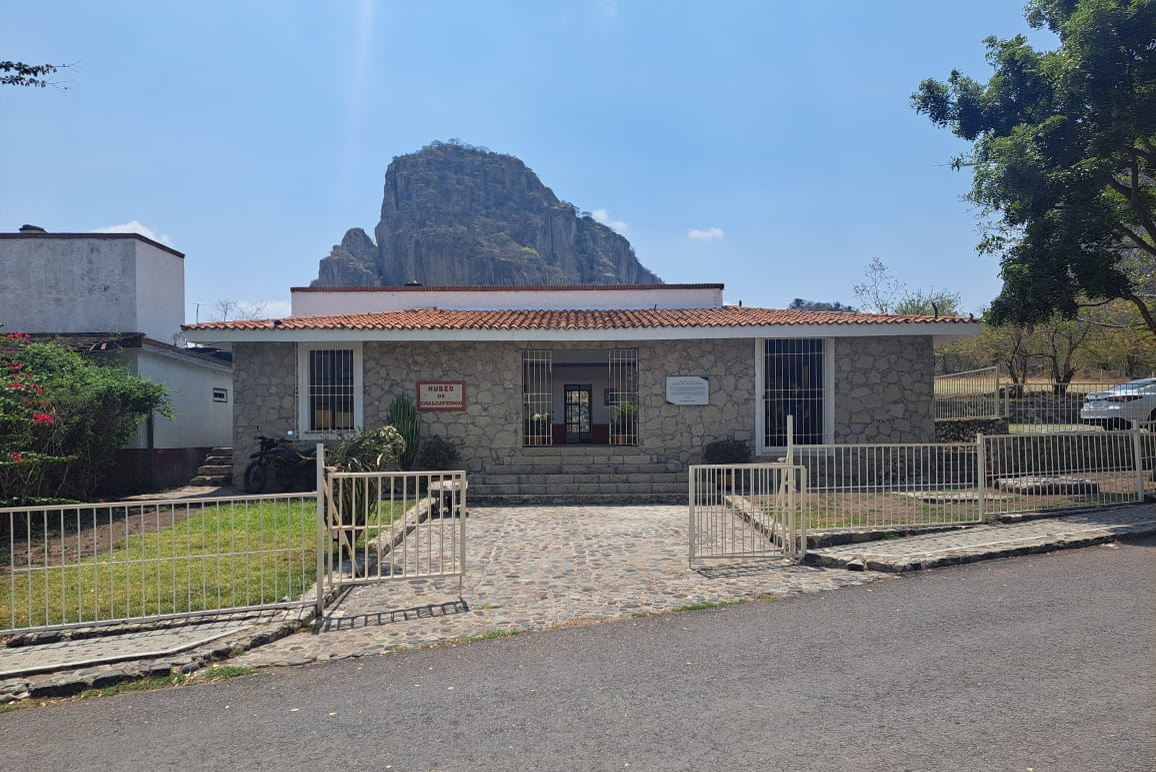
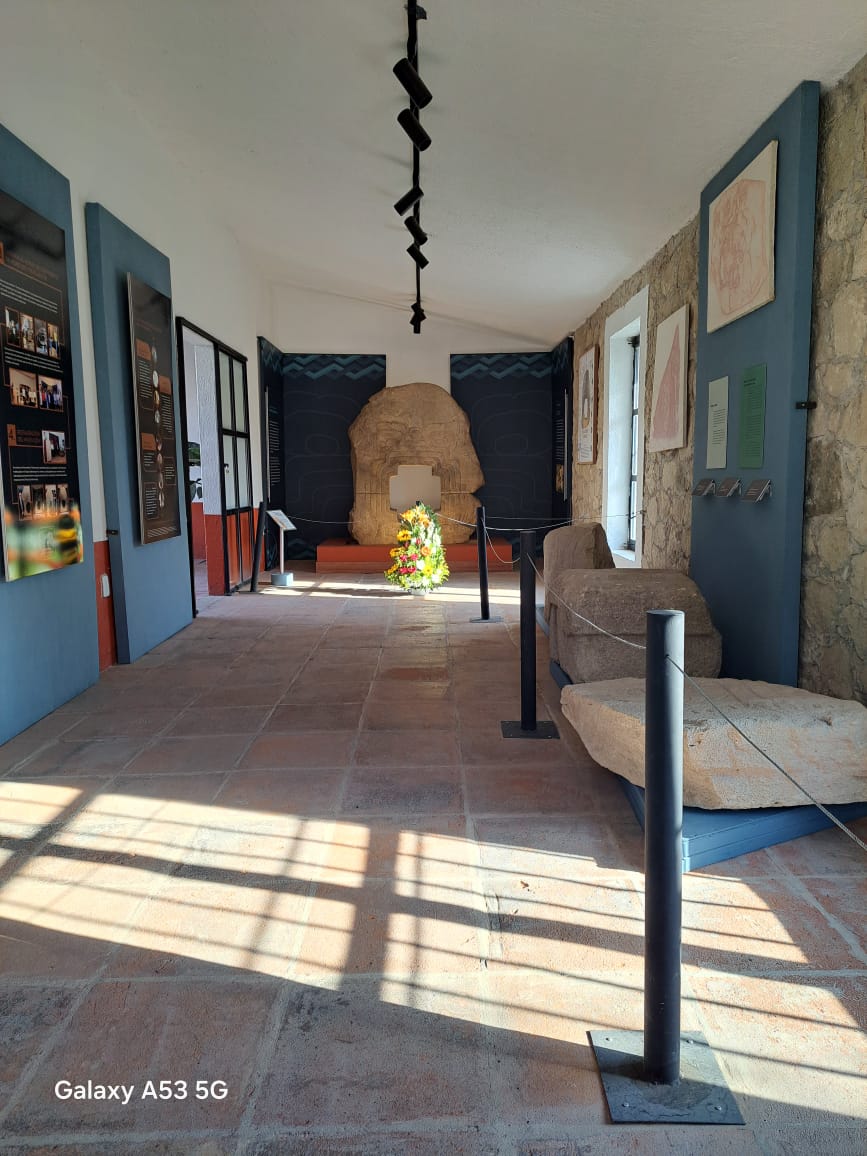
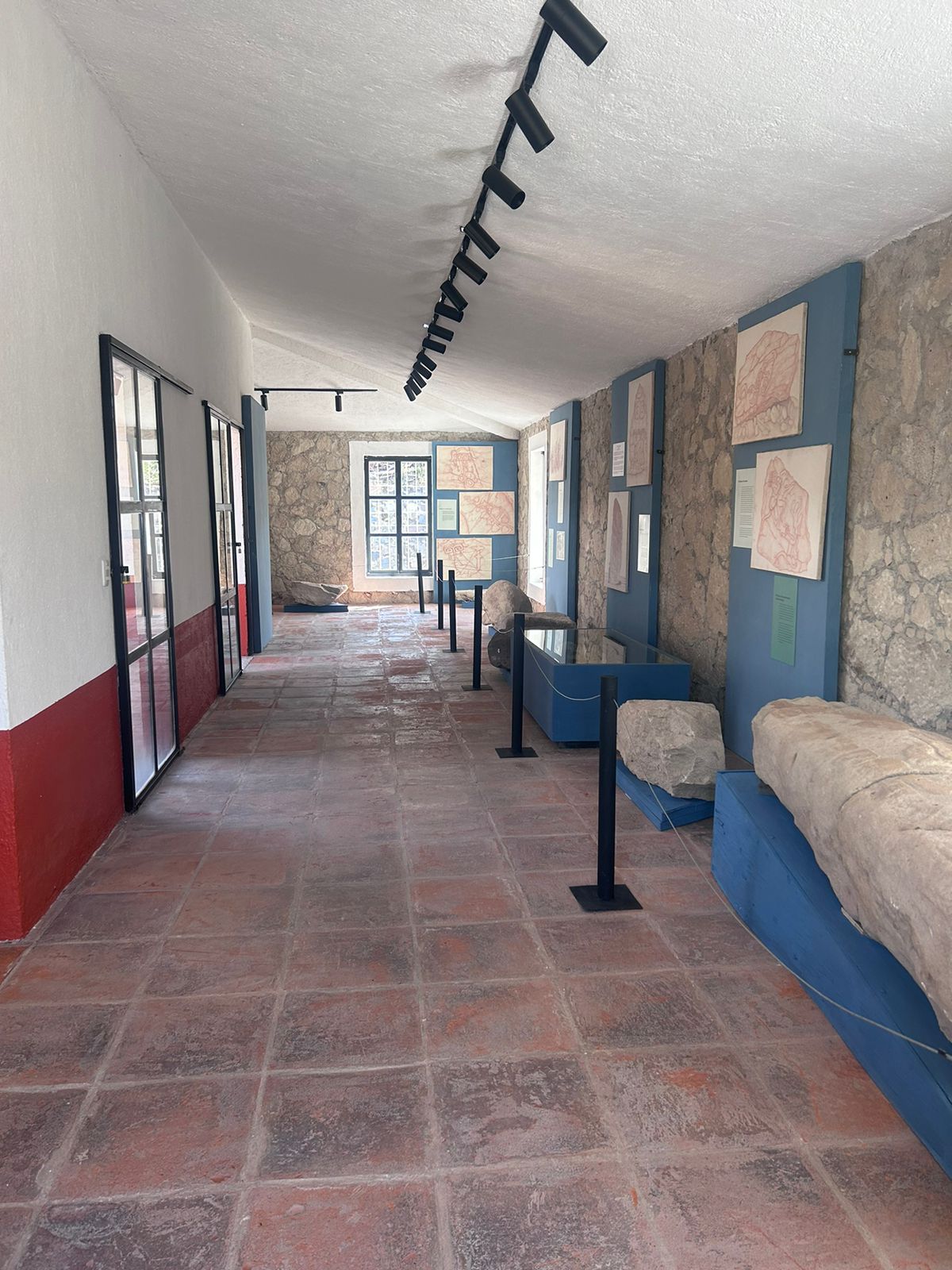
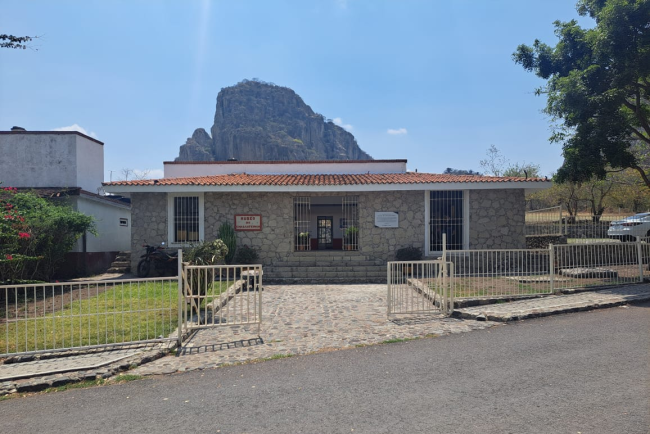
It houses archaeological artifacts that provide insight into the culture of the ancient societies that inhabited the region. Of particular note are the Olmec-influenced sculptures and reliefs, as well as ceramic objects used in daily life. One of its most important artifacts is the “Gateway to the Underworld,” which reflects the religious beliefs of the time.


VISIT US

The museum is particularly significant because of Chalcatzingo’s connection to the Olmec cultural tradition. Its collections include sculptures, reliefs, ceramics, and other objects that shed light on various aspects of the society that inhabited this region during pre-Hispanic times. Through these artifacts, visitors can gain insight into the people’s religious beliefs, daily activities, forms of artistic expression, and cultural relationships with other Mesoamerican peoples.

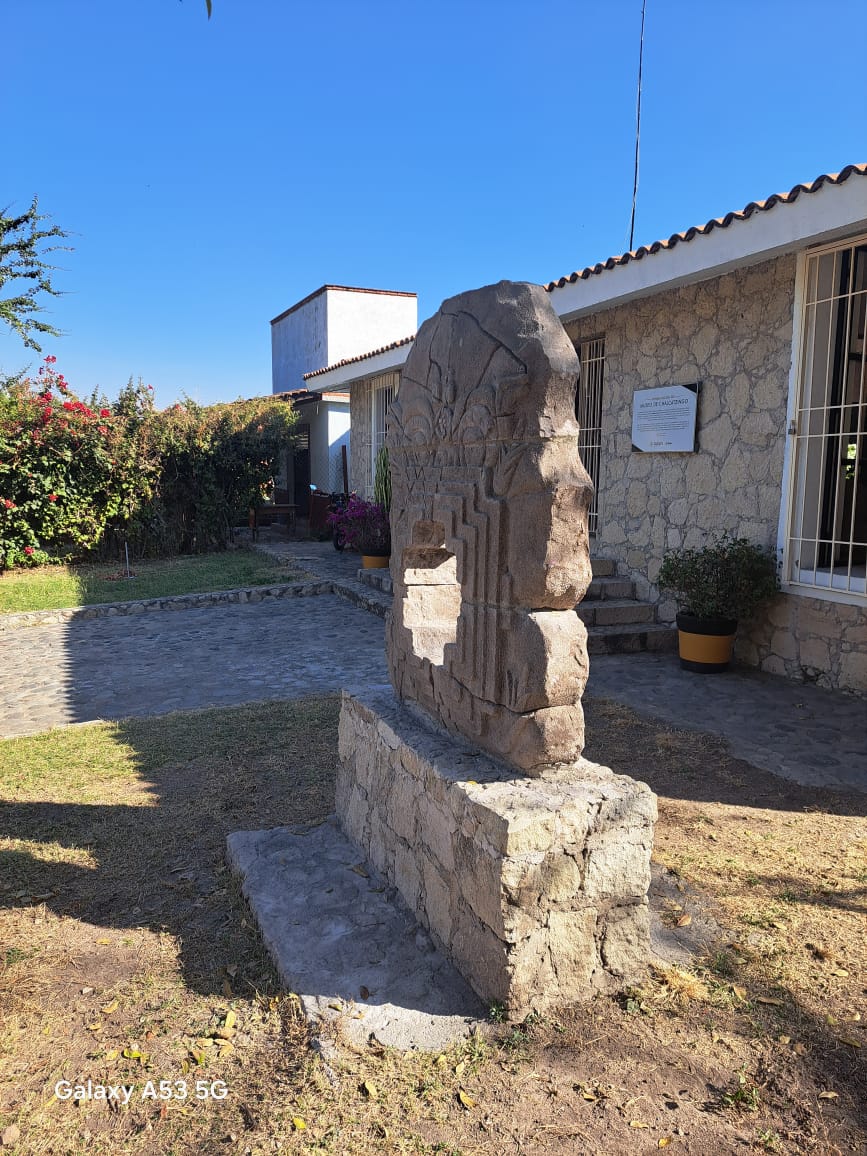
One of the museum’s greatest assets is its collection of sculptural works related to the Olmec artistic tradition. The pieces demonstrate great technical and artistic skill, while also representing ideas and symbols associated with the worldview of ancient Mesoamerican societies. The reliefs and sculptures depict figures, supernatural beings, and elements related to nature, which likely held religious and ceremonial significance.

Among the most notable artifacts associated with Chalcatzingo is Monument 9, known as the “Gateway to the Underworld.” This monument is particularly striking because of its large central opening and the interpretations linking it to sacred and supernatural spaces. Its depiction helps us understand the importance of concepts such as mountains, caves, water, and fertility within Mesoamerican religious thought.

The museum’s collection also offers insights into aspects of daily life. Ceramic objects, for example, help us understand the domestic activities and practices of ancient communities. Other archaeological materials provide information on toolmaking, productive activities, and ceremonial practices. Each artifact serves as a source of information for researchers and, at the same time, a means for visitors to learn about the region’s past.

Another important aspect of the Chalcatzingo Site Museum is its educational role. The archaeological artifacts are not presented merely as ancient objects, but as evidence that helps reconstruct a part of history. The museum helps explain the context in which they were created and used, as well as their significance to the communities that inhabited Chalcatzingo.

The museum also contributes to our understanding of the cultural influences and exchanges that took place in Mesoamerica. The elements of Olmec tradition found in Chalcatzingo show that ancient societies maintained contact with other regions and that there was a circulation of ideas, symbols, and artistic styles. Thus, the artifacts preserved in the museum are important not only for studying local history but also for understanding broader cultural processes.


  • Dirección del Centro INAH
    Victor Hugo Valencia Valera
    victor_valencia@inah.gob.mx
    +52 (777) 314 4048


Contact
+52 (777) 314 4046

Lugares relacionados


NearBY INAH PLACES
